

Feeding Spotty the Right Way

Every dog is unique, here’s how to make sure your furry friend gets the perfect portion

Feeding Table (By Dog Weight & Life Stage)

Spotty dog food is carefully formulated to provide complete and balanced nutrition for dogs of all breeds and ages. To keep your dog healthy, always follow the recommended feeding guide based on their weight, age, and activity level.
Dog Weight Puppy (2–12 months) Adult (1–7 years) Senior (7+ years)
1–5 kg
40–90 g
30–70 g
25–60 g
6–10 kg
100–150 g
80–130 g
70–120 g
11–20 kg
160–280 g
140–230 g
120–200 g
21–35 kg
290–420 g
240–350 g
200–300 g
36+ kg
430+ g
360+ g
310+ g

*Values are approximate daily portions. Adjust based on your dog’s health, activity level, and veterinarian’s advice

Tips for Feeding Spotty

Feeding your dog isn’t just about filling a bowl, it’s about giving them the right nutrition in the right way. Follow these simple tips to make the most out of every Spotty meal:

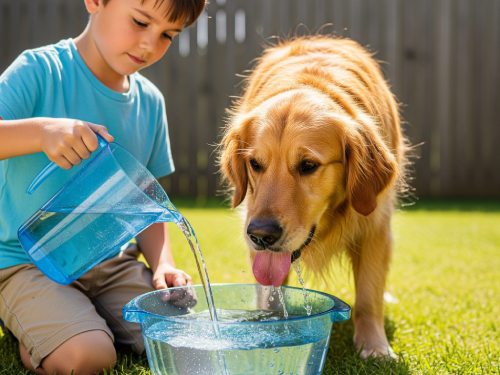
Always provide fresh water

Keep a bowl of clean water available at all times to support digestion and hydration.

Feed according to life stage

Puppies need 3–4 smaller meals a day, adults do best with 2 meals, while seniors may need lighter, easier-to-digest portions.

Transition gradually

If switching from another brand, mix Spotty with your dog’s current food over 5–7 days to avoid tummy upsets

Store it right

Keep Spotty in a cool, dry place and seal the bag tightly after use to preserve freshness.

Adjust for lifestyle

Active and working dogs may need more energy, while less active pets may require smaller portions

Consult your vet if unsure

Every dog is unique. If you’re uncertain about portion sizes or feeding frequency, your veterinarian can help tailor Spotty to your dog’s needs.

Special Notes

Every dog is unique, and their needs can change depending on life stage, health, and activity. Keep these important notes in mind when feeding Spotty:

For pregnant or lactating dogs, increase portions by 25–50%.
For very active or working dogs, adjust upward to meet energy needs.
If in doubt, consult your veterinarian.